
Summary: EMS training can provide an efficient way to stimulate muscles, build strength and support a more toned appearance. However, realistic results depend on factors such as training consistency, individual starting point, nutrition, recovery and overall lifestyle.
Expecting dramatic muscle definition after only one session can lead to unrealistic expectations, while understanding how the process works allows you to focus on measurable progress over time.
With consistent EMS sessions and a healthy lifestyle, Body20 reports that results can be felt after around four weeks and become visibly noticeable within 6–12 weeks.
Can EMS Training Really Improve Muscle Tone?
If you’re looking for a way to improve muscle tone without spending hours in the gym, EMS training can sound almost too good to be true. But what does “toning” actually mean, and what can you realistically expect from EMS?
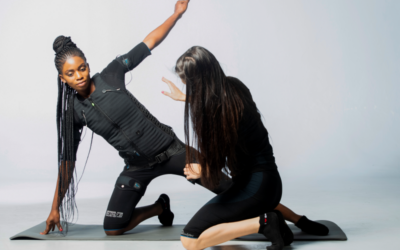
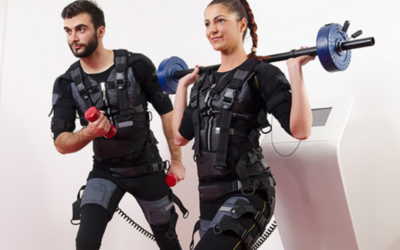
EMS, or Electro Muscular Stimulation, uses electrical impulses to trigger muscle contractions while you perform exercises such as squats, lunges, crunches and bicep curls. At Body20, the intensity is individually adjusted by a personal trainer according to your tolerance and goals.
Answer: EMS training can support improved muscle tone by increasing muscle activation and strength, but noticeable definition typically develops through consistent training and healthy lifestyle habits rather than after a single session.
Body20’s Strength20 programme is specifically designed around strength, muscle activation and toning, with the company stating that its 20-minute sessions activate around 90% of muscles and can produce approximately 50,000 muscle contractions.
The important takeaway is that EMS is not a magic shortcut to an instantly toned body. Instead, it is a time-efficient training method that can form part of a consistent approach to improving strength, body composition and muscular definition.
3 Essential Steps for EMS Training Muscle Tone
Achieving a more toned appearance through EMS comes down to three key areas: stimulating the muscles effectively, training consistently and supporting your workouts with healthy lifestyle choices.
1. Immediate Benefit: Increase Muscle Activation
One of the main reasons EMS training can be effective for muscle tone is the level of muscular activation involved.
During an EMS session, electrical impulses stimulate your muscles to contract while you perform controlled exercises. This allows multiple muscle groups to be engaged simultaneously rather than isolating just one area at a time.
Body20 states that its EMS workouts typically engage more than 90% of muscles, while its Strength20 programme is designed to activate approximately 90% of muscles during a 20-minute session.
For someone looking to improve muscle tone, this full-body approach can be particularly appealing.
Instead of spending separate sessions training your legs, arms, core and back, EMS allows you to work multiple areas within the same short workout.
However, increased activation does not mean instant visible definition. Muscle tone develops as the body adapts to repeated training stimulus, making consistency an important part of the process.
2. Risk Mitigation: Set Realistic Expectations About “Toning”
The word “toning” is often used in fitness marketing, but it is important to understand what it actually means.
A visibly toned appearance generally involves a combination of developed muscle and sufficiently low levels of body fat for that muscle definition to be visible. EMS can help support muscle development and strength, but it cannot independently determine where your body stores or loses fat.
This is why results will vary from person to person.
Body20 reports that its customers can feel results after approximately four weeks and see visible changes within 6–12 weeks when combining regular EMS training with a healthy lifestyle. The company also cites research showing a 4% reduction in body fat and a 30% increase in strength over a six-week period.
These figures should be viewed as examples rather than guarantees. Your results may be faster, slower or different depending on your starting point, training routine, nutrition, sleep and individual response to exercise.
The realistic goal is therefore not to expect a completely transformed physique after a handful of sessions, but to look for gradual improvements in strength, muscular firmness, fitness and body composition.
3. Growth / Efficiency: Make Consistency Easier
One of EMS training’s biggest advantages is that it can make regular exercise easier to fit into a busy schedule.
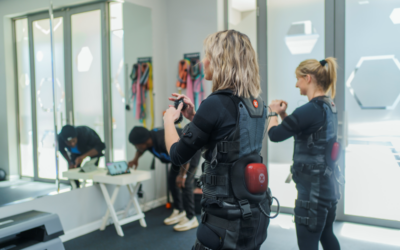
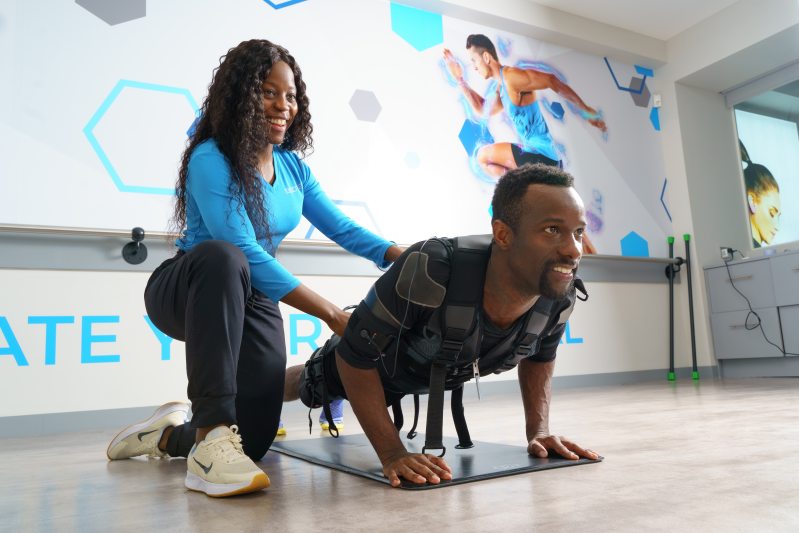
Body20’s sessions last just 20 minutes, with workouts designed and supervised by a personal trainer. Its Strength20 programme is limited to two sessions per week, allowing members to build their training around a relatively small time commitment.
This can make EMS particularly appealing to people who struggle to maintain lengthy gym sessions.
The important factor is not simply how short the workout is. It is whether the format makes it easier for you to train consistently.
A 20-minute session that you actually complete on a regular basis can be more useful for your fitness routine than a longer workout that continually gets postponed.
Body20 also offers personalised EMS settings and body composition scans to help track progress rather than relying solely on how you look in the mirror.
Key EMS Training Muscle Tone Considerations for Fitness Goals
So, what should you consider if your main goal is to improve muscle tone with EMS training?
| EMS Training Muscle Tone Factor | Operational / Practical Impact | Core Benefit |
|---|---|---|
| Muscle Activation | Electrical stimulation increases muscular contractions while you perform controlled exercises. | Supports strength development and muscular engagement. |
| Training Consistency | Regular sessions provide repeated training stimulus over time. | Helps create sustainable progress rather than short-term changes. |
| Training Intensity | EMS intensity can be adjusted according to your tolerance and fitness level. | Allows workouts to be personalised to individual needs. |
| Nutrition & Lifestyle | Food choices, hydration, sleep and general activity can influence body composition and recovery. | Supports the visible results associated with a more toned physique. |
| Recovery | Muscles need adequate recovery following intense training. | Helps the body adapt and reduces the risk of overtraining. |
| Progress Tracking | Body composition and strength changes may provide a clearer picture than appearance alone. | Helps you identify measurable improvements over time. |
Frequently Asked Questions
Is it normal to feel sore after your first EMS workout?
Yes. Some muscle soreness or fatigue can be expected after trying a new type of exercise, particularly if you are not accustomed to full-body muscle stimulation. The intensity of your EMS workout can also influence how you feel afterwards.
How long does EMS training take to tone muscles?
There is no single timeline that applies to everyone. Body20 reports that results can be felt after approximately four weeks and become visibly noticeable within 6–12 weeks when EMS training is combined with a healthy lifestyle. Individual results will vary depending on factors including consistency, starting fitness level, nutrition and recovery.
Does EMS training build muscle or just tone it?
EMS can support both strength development and muscle growth. Electrical stimulation causes muscles to contract while you exercise, increasing muscular engagement. Body20’s Strength20 programme is specifically designed to build strength, tone muscles and support body transformation.
Can EMS training give you a toned stomach?
EMS can help strengthen and develop the abdominal and core muscles, which may contribute to improved definition. However, visible abdominal definition also depends on overall body composition, genetics and lifestyle. EMS should therefore be viewed as one part of a broader fitness approach rather than a way to specifically remove stomach fat.
How often should you do EMS training for muscle tone?
The appropriate frequency depends on the EMS programme and your individual goals. Body20’s Strength20 programme allows a maximum of two sessions per week. Your trainer can adjust your programme and intensity according to your fitness level and objectives.
Is EMS training enough to get toned?
EMS can be an effective component of a muscle-toning routine, particularly because it combines electrical stimulation with physical exercises. However, results are influenced by your overall lifestyle. A balanced diet, sufficient recovery and regular physical activity can all contribute to achieving and maintaining a more defined physique.
Partner with Body20 for Advanced EMS Training Muscle Tone Solutions
Body20 provides personalised EMS training designed to help clients build strength, improve fitness and support muscle tone through efficient, trainer-led 20-minute workouts. Its programmes include Strength20, Cardio20, Cellulite20 and Recovery20, allowing training to be tailored around different fitness goals.
Ready to see what EMS training could do for your muscle tone and fitness goals? Explore Body20’s EMS training programmes and book an EMS trial session to experience a personalised 20-minute workout with a qualified personal trainer.