
Summary: Electrical muscle stimulation (EMS) uses electrical impulses to stimulate muscle contractions during exercise. For desk workers, supervised training can provide a practical way to build strength, while understanding EMS training side effects helps support a sensible introduction to exercise.
Allowing work to crowd out physical activity can leave little opportunity to develop strength and fitness. Combining structured training with regular movement throughout the working day creates a more balanced approach to an office-based lifestyle.
Can Desk Workers Benefit While Managing EMS Training Side Effects?
Does your working day involve moving from your desk to the car, then straight onto the sofa?
Between meetings, deadlines and commuting, fitting in exercise can feel difficult. A shorter appointment may make structured training more manageable, particularly when you are returning after a long break.
Answer: Desk workers can use supervised EMS training to support strength development, while appropriate screening, gradual progression and recovery help manage potential side effects.
International safety guidance emphasises these precautions, particularly for beginners. However, a workout does not remove the need to move during the day. NHS guidance recommends reducing sedentary time alongside regular physical activity. Body20 offers trainer-led, 20-minute sessions with personalised settings, providing a convenient option for professionals seeking a structured exercise routine.
Build a Stronger Routine Around Your Working Day
Making exercise sustainable requires more than finding an available slot in your calendar. Your routine should address strength, recovery and everyday movement.
1. Give Strength Training a Place in Your Diary
A busy schedule can make exercise the first commitment to disappear. Booking a manageable session creates a regular opportunity to focus on physical activity.
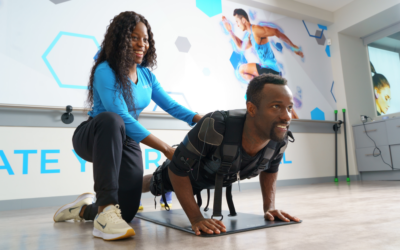
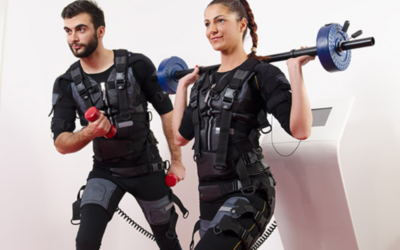
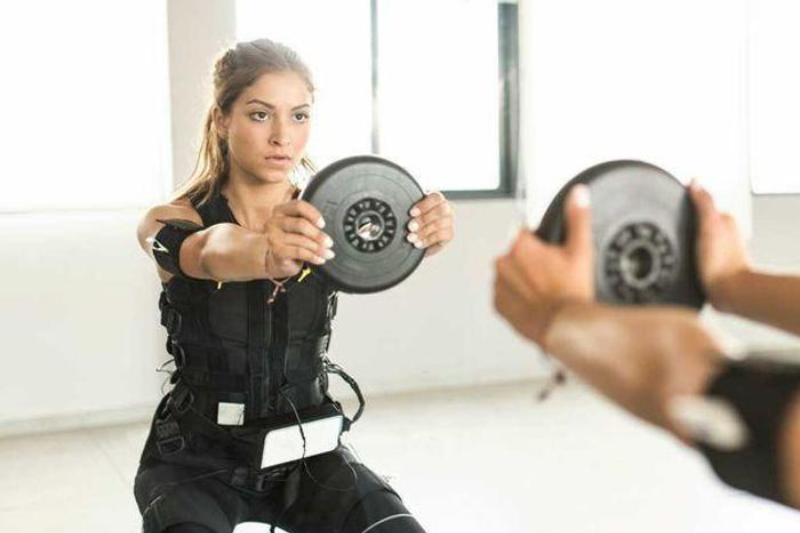
At Body20, participants wear a dry, wireless electrode-enabled suit while a trainer guides exercises using individually adjusted settings. This combines active movement with muscle stimulation; participants still exercise throughout the session. For desk workers, the practical advantage is having a planned session that fits around professional commitments.
2. Progress Gradually Instead of Chasing Intensity
A short workout can still place substantial demands on your muscles. Returning to training after months of inactivity requires a cautious starting point, even if you previously exercised regularly.
Possible EMS training side effects include muscle soreness and temporary fatigue. Excessive stimulation, particularly during an initial session, can cause significant muscle damage. Severe cases involving rhabdomyolysis(a condition in which damaged muscle tissue breaks down) have been reported.
Tell your trainer about your health, recent activity and recovery between appointments. Higher intensity should never become the measure of a successful first session.
3. Make Movement Part of the Workday
Use natural breaks to stand, walk and change position. Take a short walk between meetings, move during a phone call where practical, or spend part of your lunch break away from your desk.
These habits complement structured exercise. NHS advice supports both regular activity and breaking up prolonged sedentary time.
Before Your First Session: Four Decisions That Matter
What should an office worker consider before adding EMS to their weekly routine?
| EMS Training Factor | Operational / Practical Impact | Core Benefit |
|---|---|---|
| Health Screening | Disclose medical conditions, medication and implanted devices before training. | Helps identify contraindications or the need for medical clearance. |
| Starting Inetesity | Begin conservatively and communicate how the stimulation feels. | Supports a controlled introduction to unfamiliar exercise. |
| Recovery Time | Allow adequate recovery and discuss lingering soreness before another session. | Helps avoid excessive training demands. |
| Daily Movement | Combine appointments with walking and regular breaks from sitting. | Supports the visible results associated with a more toned physique. |
Screening, close supervision and appropriate recovery are central recommendations in international EMS safety guidance.
Frequently Asked Questions
Which EMS training side effects require medical attention?
Severe or worsening muscle pain, marked swelling, unusual weakness or dark urine after training require urgent medical assessment. These can indicate serious muscle damage and should not be dismissed as routine post-workout soreness.
Can everyone with a desk job try EMS?
No. Your job does not determine medical suitability. Body20 identifies pregnancy, pacemakers and certain neurological disorders as contraindications. Disclose your full medical history; other conditions may also require assessment before participation.
Can EMS replace walking and other exercise?
EMS can contribute to a broader training routine, but it should not replace everyday movement or all aerobic activity. Continue building regular physical activity around your appointments and reduce uninterrupted sitting.
Make Time for Strength with Body20
Body20 provides personalised EMS workouts using dry, wireless technology, with certified EMS personal trainers guiding sessions. Its approach offers busy professionals a practical way to schedule structured exercise around work.
Explore Body20’s EMS training and discuss your goals, suitability and questions about EMS training side effects with the team before your first session.
- Read Next: EMS Training for Back Pain Relief
- Discover More: Body20 EMS Training FAQs